

Key Takeaways:
- Friction Control: Silk materials and protective hairstyles help reduce frizz, tangles, and flatness.
- Overnight Protection: Loose buns, braids, and pineapple styles help preserve wave definition while you sleep.
- Healthy Wave Maintenance: Gentle nighttime habits can help with breakage, extend wash days, and limit the need for heat styling.
Wavy hair can look soft and defined one day, then flattened and frizzy the next after a night of sleep. The thing is, friction from pillowcases, tight hairstyles, and rough fabrics can all disrupt your natural texture overnight, making waves harder to manage in the morning. On the bright side, a few simple nighttime habits can help protect your hair and keep your waves looking fresh between wash days.
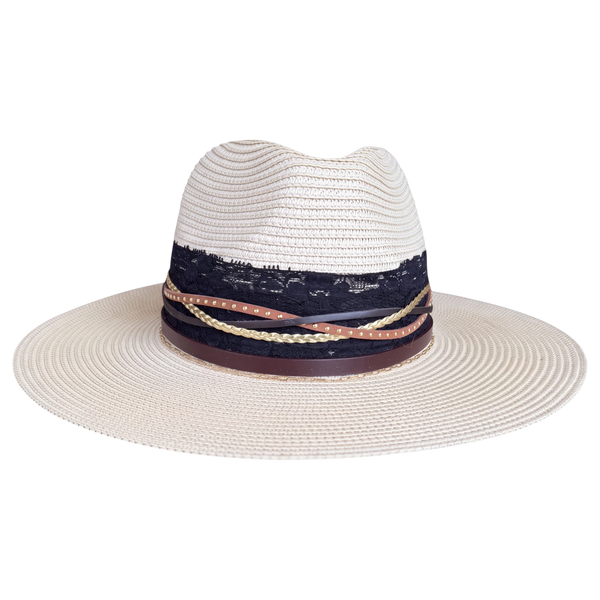
At Damazo, we make silk-lined headwear for wavy and curly hair, designed to help reduce friction and frizz while you wear it. Many of our hats feature hand-finished custom crown wraps, bringing texture, dimension, and individuality to each silhouette. These details are thoughtfully layered using high-quality materials such as lace, leather, rope, and refined metallic accents, giving you an elevated look that balances craftsmanship with hair-first function.
Below, we’ll discuss how to sleep with wavy hair, including practical tips for reducing frizz, preserving definition, and protecting your hair overnight.
How To Keep Wavy Hair Overnight With The Right Styles
The hairstyle you go to sleep in has a direct impact on what your waves look like the next morning. Tight styles can stretch the wave pattern and put stress on your scalp over time, while loose styles tend to preserve texture and keep things from tangling. Here are a few options that tend to work well for wavy hair.
- Pineapple Ponytail: Gathering hair loosely at the top of your head is one of the most popular (and stylish!) choices for longer wavy hair. It keeps the roots lifted away from the pillow and helps preserve volume. When going down this route, the key is keeping it loose. Also, using a silk or satin scrunchie instead of a regular elastic helps lessen pulling and friction at the point of contact.
- Loose Braid: If your hair tends to tangle overnight, a loose braid is one of the most practical choices. It keeps strands from moving around too much while still allowing the wave pattern to settle naturally.
- Short Styles: For shorter wavy hair, a silk scarf or sleep cap is often the most practical choice, since there may not be enough length to gather into an updo.

The Best Way To Sleep With Wavy Hair
The foundation of protecting wavy hair overnight comes down to three things: limiting friction, retaining moisture, and choosing styles that don't crush your texture while you sleep.
Switch To Silk
Start with the surface your hair is resting on. Traditional cotton pillowcases tend to create friction that might lift the hair cuticle, leading to frizz and dryness by morning. Silk creates a smoother surface, allowing your hair to move more freely overnight. If swapping your pillowcase isn't an option right away, wrapping your hair in a silk scarf or wearing a silk-lined sleep cap can provide a similar protective barrier.
Detangle Gently Before Bed
Aggressively brushing through tangled hair at night can disrupt your wave pattern and cause unnecessary breakage. Instead, gently detangle with your fingers or a wide-tooth comb, then secure your hair for sleep. Starting with smooth, knot-free hair makes it easier for your waves to stay defined overnight. It also cuts down on morning frizz caused by strands rubbing together while you sleep.
Sleep With Dry Or Slightly Damp Hair
It's also worth making sure your hair is mostly dry before you get into bed. Wet hair is more fragile and more prone to tangling and breakage when it's moving against a pillow all night. If you wash your hair in the evening, give it time to dry before you sleep, or at least until it's no longer soaking.
Avoid Overloading Hair With Products
When it comes to hair care, less tends to be more at night. Heavy creams and oils can weigh waves down and leave them looking limp the next morning. That said, a small amount of lightweight leave-in conditioner or a wave refresher is usually enough to keep your hair hydrated without overdoing it.

Protective Accessories To Help Maintain Wavy Hair Overnight
Beyond pillowcases and hairstyles, the accessories you use during the day matter. Anything that sits against your hair, whether overnight or throughout the day, can either help or hinder the friction your hair is constantly dealing with.
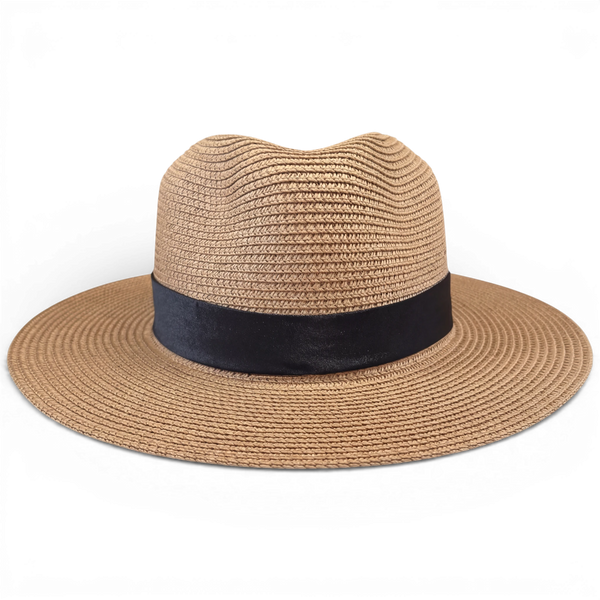
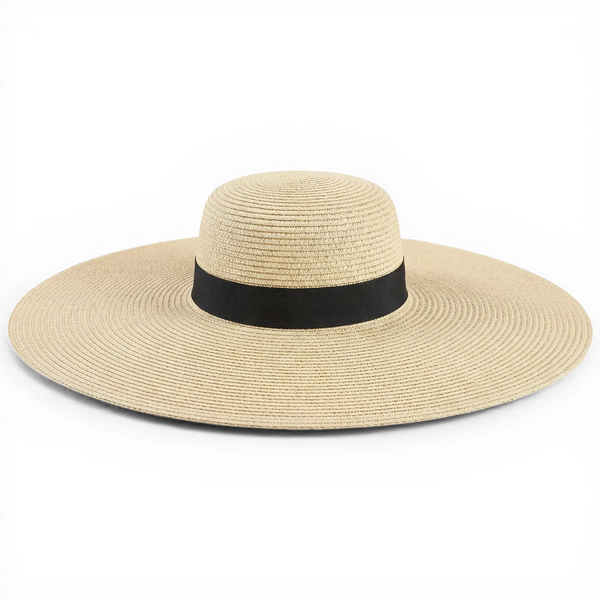
All headwear at Damazo is made with this in mind: every hat is lined in 100% 22-momme OEKO-TEX® certified mulberry silk for a smoother feel where your hair touches most. Whether you want a sleep cap or an everyday go-to like one of our fedoras or sun hats, the interior material affects how your hair responds. A smooth silk lining is designed to help reduce friction and frizz at contact points throughout the day, which is the same principle that makes silk effective overnight.
For wavy hair specifically, limiting that cumulative friction, no matter if it’s from your pillow or from the hat you wear during the day, can help your waves look smoother over time, and a silk lining is designed to be gentle on your hair’s natural moisture. Additionally, we’ve made sure to incorporate deeper crowns and spacious interiors to help accommodate your voluminous waves without compromising your hairdo. From there, many of our styles feature hand-finished crown wraps to bring depth, detail, and a more premium finish to your favorite headwear.
How To Preserve Wavy Hair While Sleeping After Wash Day
Wash day usually produces the best wave definition, so protecting that result overnight is worth the effort. The first night after washing is when your waves are most vulnerable to losing their shape. Thankfully, these methods are easy enough that you can try a couple today to help extend your results.
- Dry Before Bed: Let your hair dry as completely as possible before bed. Waves that are still wet when you sleep are more likely to dry unevenly and look misshapen in the morning.
- Opt For A Microfiber Towel: Use a microfiber towel or a soft cotton t-shirt to blot dry after washing instead of rough terrycloth, which may rough up the cuticle and increase frizz before you've even climbed into bed.
- Choose A Hairstyle That Works: Gather your hair into a loose pineapple or soft braid before sleeping to protect the shape you've built throughout the day.
- Keep A Spray Bottle Nearby: A light mist of water and gentle scrunching in the morning might help revive any sections that have flattened overnight without needing to rewash.
With regular overnight protection, many people find their waves hold for several days between washes, minimizing the amount of heat styling and product needed throughout the week. And don’t forget that what you wear during the day can play a part, too! For instance, our Visor Hat has silk where the band touches your hair, designed to help reduce friction along your edges and hairline, while the open-top construction keeps you cool and leaves your crown uncovered.

Final Thoughts
Learning how to sleep with wavy hair doesn't have to be complicated. The basics, like limiting friction, keeping hair loosely secured, and making sure it's mostly dry before bed, go a long way toward preserving your waves between wash days. Overall, small, easy habits tend to have the biggest impact over time, and most of them only take a few minutes to build into your routine. With the right nighttime routine, your waves can stay softer, more defined, and easier to manage day after day.
Frequently Asked Questions About How To Sleep With Wavy Hair
Can sleeping position affect wavy hair?
Yes. Sleeping on your back or side can press waves flat for hours, potentially leading to uneven texture or flattened roots.
Is it bad to wrap wavy hair too tightly at night?
Tight wrapping can stretch your natural wave pattern and put stress on your hair over time. With that in mind, looser protective styles are generally better for maintaining texture.
How often should I refresh my wavy hair in the morning?
Most people only need a light refresh between wash days. Using too much water or product daily might weigh your waves down and shorten the lifespan of your style.
Can dry air affect wavy hair while sleeping?
Dry indoor air may pull moisture from the hair overnight, especially during colder months. Using lightweight hydrating products before bed may help waves stay softer and more manageable.
Should wavy hair be brushed before bed?
Brushing dry, wavy hair aggressively can disrupt the wave pattern and create frizz. Gentle finger detangling or using a wide-tooth comb is often a better option before sleeping.
Why do my waves look different every morning?
Wavy hair shifts shape based on moisture levels, friction, sleeping position, and product buildup. Even tiny changes to your nighttime routine might noticeably affect your texture the next day.
How long can wavy hair last between wash days?
This depends on your hair type, products, and nighttime care. With proper overnight protection, many people can maintain their waves for several days before needing a full wash and restyle.
Does hair length affect the best way to sleep with wavy hair?
Yes. Longer wavy hair tends to do well with loose pineapple styles or braids, while shorter wavy hair may benefit more from a silk scarf or sleep cap to minimize friction overnight.