

Short answer: Silk is a natural protein fiber made by silkworms, while satin is a weave, and most satin sold today is made from polyester. Both have a smoother surface than cotton, so both can help reduce the friction that roughs up hair. Silk is the natural, breathable option and costs more; polyester satin is the cheaper, easy-care option.
So the useful question isn't really "silk or satin." It's "what is this satin made of?" The guide below covers the differences, what labels like "satin-lined" and "22 momme" mean, and how to choose for sleep and for hats.
Silk vs satin at a glance
| Silk (e.g. mulberry silk) | Satin (usually polyester) | |
|---|---|---|
| Fiber | A natural protein fiber | Not a fiber. Satin is a weave, and most satin sold today is polyester |
| Source | Silkworm cocoons. Mulberry silk comes from the domesticated silkworm, Bombyx mori, which is fed mulberry leaves | Depends on the yarn: silk, polyester, nylon or other fibers. Polyester is synthetic (man-made) |
| Feel and sheen | Soft and smooth, with a soft, pearly luster | Slippery and smooth, often with a brighter, more uniform shine |
| How it's made | Spun by silkworms to build their cocoons, then woven into fabric. Charmeuse is silk woven in a satin weave | Woven so yarns "float" over several crossing threads at a time, giving a smooth, lustrous face and a duller back |
| Friction vs cotton | Lower. Luxury silk was the smoothest fabric in independent hair-friction testing | Lower. It was close behind silk in the same testing |
| Breathability and heat | A natural fiber that takes up some moisture, so many people find it comfortable in warm weather | Polyester is hydrophobic (water-repelling), so it holds almost no moisture. Some people find it feels warmer or clammier |
| Absorbency vs cotton | Cotton absorbed more water than silk in the research reviewed by textile scientists | Polyester absorbs very little water |
| Care | Delicate. Wash gently in cool water and air-dry | Usually hard-wearing and often machine-washable |
| Cost | Higher | Lower |
| What to look for on the label | "100% silk" or "100% mulberry silk," plus a momme weight | The fiber content, such as "100% polyester." "Satin" alone tells you the weave, not the fiber |
What's the difference between silk and satin?
Silk is a fiber
Silk is an animal fiber that silkworms spin to build their cocoons. Almost all commercial silk comes from the domesticated silkworm, Bombyx mori, which is where the name "mulberry silk" comes from: the worms are fed mulberry leaves. Textile references describe it as a lustrous, smooth, soft protein fiber.
Satin is a weave
Satin describes how the yarn is woven, not what it's made of. A satin weave lets yarns "float" over several crossing threads at a time. That gives a smooth, lustrous face and a duller back. Satin was originally a silk fabric, but today it's woven from many other fibers, and polyester is the most common. So "silk satin" and "polyester satin" can look alike on a shelf and still behave quite differently.
Why both are gentler than cotton
In lab tests by TRI Princeton, an independent hair and textile research institute, hair tresses were pulled between fabric surfaces. Luxury silk was the smoothest material they tested, "followed closely by its affordable silk and satin counterparts." Cotton had more friction than either. The American Academy of Dermatology likewise suggests satin or silk bonnets or pillowcases for curly hair, because they may reduce friction and help preserve your style.
Is silk or satin better for hair?
For friction alone, good-quality satin and silk perform similarly, and both beat cotton. Silk pulls ahead on the other things that matter against your hair for hours at a time:
- Moisture: TRI's review of the research found that cotton absorbs more water than silk and moves it through the fabric faster. TRI cautioned that the results are "far from definitive," but it's a reason many people with dry or textured hair prefer silk to cotton. Polyester satin also absorbs very little, but that's because polyester repels water.
- Comfort in heat: Polyester is hydrophobic, so it doesn't take up sweat. Silk is a natural fiber that absorbs some moisture, which is why many people find it more comfortable against the scalp on warm days.
- Consistency: "Satin" covers everything from silk satin to thin polyester. Silk labeled with its fiber content and momme weight is easier to judge.
Satin's advantages are price and easy care. If you want a lower-friction pillowcase on a budget, a well-made polyester satin is a reasonable start. If the fabric will sit against your hair for long stretches, especially in warm weather, silk is the one to consider.
What "satin-lined" usually means on hats and bonnets
When a hat or bonnet says "satin-lined" and gives no fiber, it's usually polyester satin. That isn't necessarily bad: a smooth lining is still gentler on hair than raw straw, felt or a rough cotton band. But it isn't silk.
In the U.S., the FTC's textile labeling rules don't cover headwear. The FTC lists "hats, caps or anything worn exclusively on the head" as not covered. So a hat or bonnet may carry no fiber-content label at all. If a listing says "satin-lined sun hat" or "satin-lined straw hat," look for the fiber in the product details or ask the seller. "100% silk" or "100% mulberry silk" means silk. "Satin" alone usually means polyester.
What does momme mean? (And what is 22-momme silk?)
Momme (pronounced "mummy," abbreviated mm) is the traditional way to measure silk's weight. Thread count is used for cotton. One momme is the weight in pounds of a piece of silk 45 inches wide and 100 yards long, or about 4.34 grams per square meter.
A higher momme means more silk in the same area, so the fabric is denser, more opaque and generally more durable. Light scarf silks can be well under 10 momme. Charmeuse, a satin-weave silk, typically runs from about 12 to 30 momme. 22-momme silk (roughly 95 g/m²) sits at the heavier end. That makes it a common choice for items that get daily wear.
How to tell real silk from satin
- Read the fiber content first. "100% silk" or "100% mulberry silk" is what you're after. "Satin," "silky" or "silk-feel" describes the look, not the fiber.
- Look for a momme weight. Silk sellers usually state it. Polyester satin rarely does.
- Check the sheen. Silk tends to have a softer, shifting luster. Polyester satin often has a flatter, brighter shine.
- Feel it. Silk warms up quickly to your touch and feels soft rather than slick. But feel is subjective.
- Consider the price. Genuine mulberry silk costs more to produce. A very low price for "silk" is worth questioning.
You'll also see burn tests recommended online. They destroy a piece of the fabric, can be unsafe, and are hard to read on blends or treated fabrics. The label and the seller's stated fiber content are more reliable.
Silk vs satin for curly, coily and wavy hair
Curly and coily hair has bends and twists that can catch on rough surfaces. The AAD notes that friction against a pillowcase can make curly hair frizzy, and it suggests satin or silk instead. Both silk and satin can help. If you wear protective styles, twists or a wash-and-go for several days, or if your hair runs dry, silk is worth considering for the fabrics that touch your hair the longest. Wavy hair gets frizzy easily, so the same logic applies. For fine or straight hair, either fabric can help cut down flyaways and creases compared with cotton.
For sleep vs for daytime hats
Pillowcases and bonnets
At night your hair rubs against the fabric for hours as you move. Smoothness matters most here, and both silk and good satin are clear upgrades over cotton. A satin or silk bonnet or scarf keeps the smooth fabric against your hair even if you move off the pillow.
Hats
During the day, a hat's band and crown press on your hairline and style, often in the sun and while you sweat. So fiber matters more: a lining that stays comfortable in warm weather and doesn't feel clammy is easier to wear for hours. Where the lining sits matters too. A silk-lined band sits against your edges and hairline, and a lined crown covers the top of your style.
How to care for silk and satin
- Silk: Hand-wash or use a delicate cycle in cool water with a gentle detergent. Skip bleach and fabric softener, don't wring, and air-dry away from direct heat. Always follow the care label.
- Polyester satin: Usually machine-washable. A mesh bag helps prevent snags.
- Silk-lined hats: Spot-clean the lining gently rather than soaking the whole hat. Our guide on how to clean a hat walks through it.
How Damazo uses silk
Damazo hats are lined with 22-momme, 100% mulberry silk that is OEKO-TEX® certified, meaning the textile has been tested for harmful substances. We use silk instead of polyester satin for the reasons above: it's a natural fiber that many people find comfortable in warm weather, and the hats are designed to help reduce friction and frizz where they touch your hair. You can read more about why we line every hat in silk.
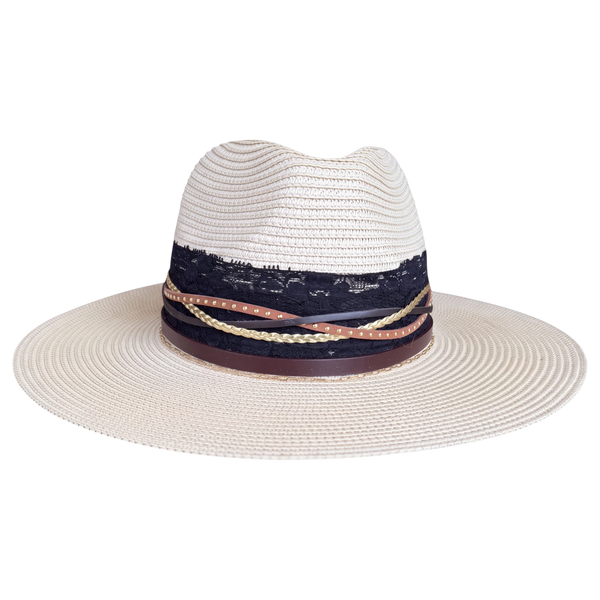
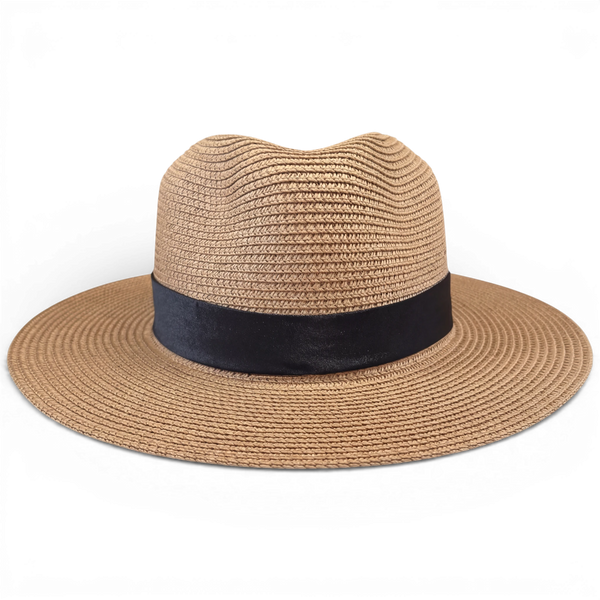
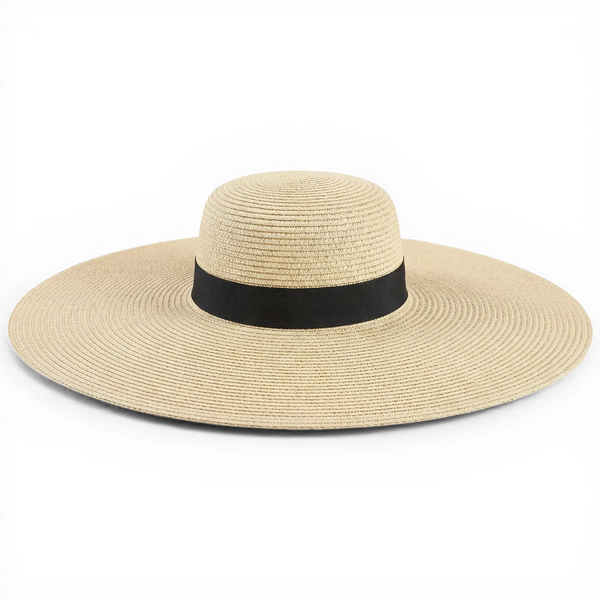
Where the silk goes depends on the style. Closed-crown hats like the Soleil Classic silk-lined sun hat have a silk-lined crown. The Veloura Structured silk-lined cap is fully lined inside. Open-top styles like the Eclipse and Eos put silk on the band, where the hat touches your hairline. You can browse all Damazo silk-lined hats, start with our silk-lined hats for curly hair, or, if you were shopping for satin-lined hats, see our silk-lined alternative to satin-lined hats.
FAQ: silk vs satin for hair
Is silk or satin better for hair?
Both are smoother than cotton and can help reduce friction. Silk is a natural fiber that many people find more breathable and comfortable. Polyester satin is cheaper and easier to wash. If budget allows, silk is the better choice for fabrics that touch your hair for long periods.
Does satin work the same as silk for hair?
For smoothness, it's close. In independent friction testing, satin came in just behind silk and ahead of cotton. The differences are in the fiber: most satin is polyester, which handles heat and moisture differently from silk.
Is satin good for hair?
Yes, compared with rougher fabrics like cotton. The American Academy of Dermatology suggests satin or silk bonnets or pillowcases for curly hair to help reduce friction and preserve styles.
Is silk better than satin for curly hair?
Both help. Many people with curly, coily or dry hair prefer silk because it's a natural fiber and absorbs less moisture than cotton. A good satin bonnet is still a solid budget option.
Are satin-lined hats good for hair?
A smooth satin lining is gentler than a rough band. Check the fiber, though: "satin-lined" usually means polyester, and headwear isn't covered by U.S. fiber-labeling rules, so look for "100% silk" if silk is what you want.
How can I tell if satin is real silk?
Check the fiber content ("100% silk" or "100% mulberry silk") and look for a momme weight. Sheen, feel and price are helpful clues, but the stated fiber content is the most reliable signal.
Is satin-lined the same as silk-lined?
No. "Silk-lined" means the lining is made of silk. "Satin-lined" describes the weave of the lining, and when no fiber is given it's usually polyester. Check the product details for "100% silk" or "100% mulberry silk."
What does 22 momme mean?
Momme is the traditional unit for silk's weight. 22-momme silk is roughly 95 g/m², which sits at the heavier end for charmeuse and makes it a common choice for items that get daily wear.
How do I clean a silk-lined hat?
Spot-clean the lining gently rather than soaking the whole hat, and always follow the care label. Our guide on how to clean a hat walks through it.
Ready to choose? Browse all Damazo silk-lined hats.
Sources
- TRI Princeton, "The Fabric Factor: The Role of Your Pillowcase and Hair Accessories in Hair Care" (2023): hair-friction testing of silk, satin, cotton and velvet.
- TRI Princeton, "Everyone Is Talking About: Silk Pillowcases" (2025): silk vs cotton friction and a review of water-absorption research.
- American Academy of Dermatology, "6 curly hair tips from dermatologists": satin or silk bonnets and pillowcases to reduce friction.
- Encyclopaedia Britannica, "Satin" and "Silk": definitions of the weave and the fiber.
- Coats, "Know About Textile Fibres": properties of silk, cotton and polyester, including moisture behavior.
- Wikipedia, "Units of textile measurement": definition of momme and typical silk weights.
- U.S. Federal Trade Commission, "Threading Your Way Through the Labeling Requirements Under the Textile and Wool Acts": fiber-content labeling and the headwear exemption.
- OEKO-TEX®, "OEKO-TEX® STANDARD 100": what the certification covers.