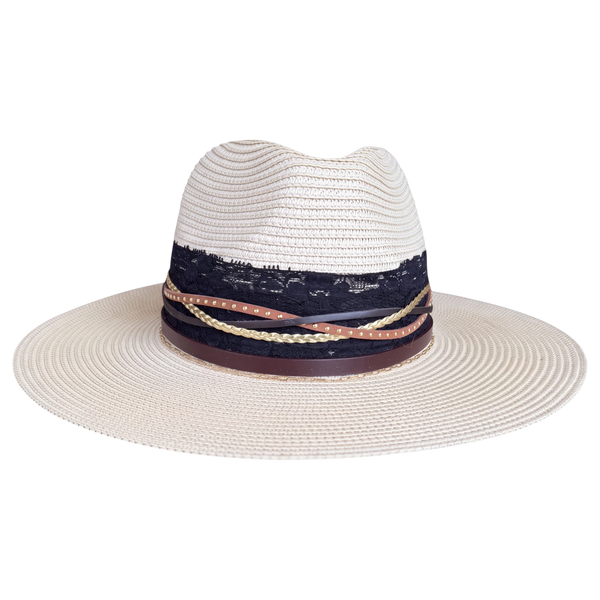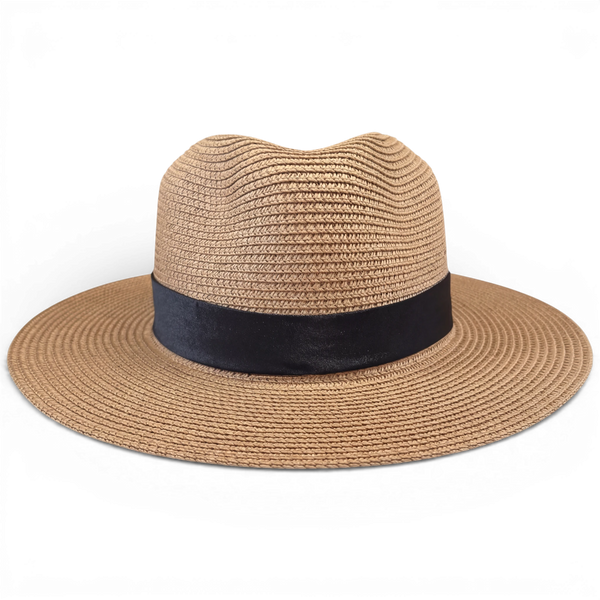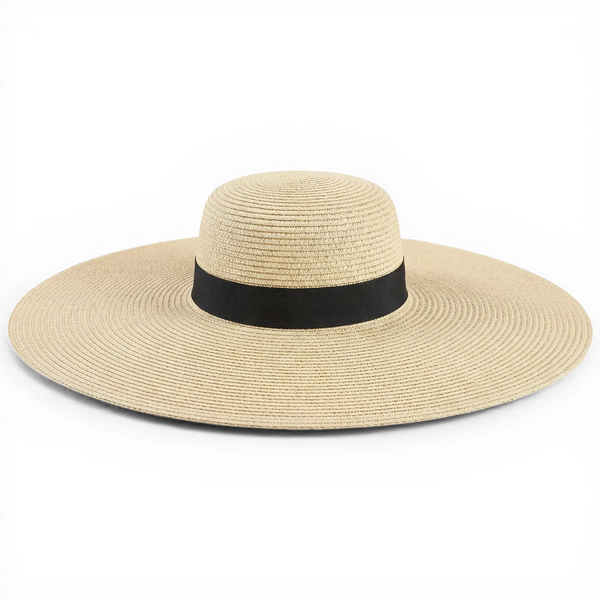


Key Takeaways:
- Fit: Hats for protective styles should accommodate the added volume of braids, twists, or locs without excessive pressure.
- Lining: Damazo focuses on silk-lined headwear designed to help reduce friction and frizz and to be gentle on your hair’s natural moisture.
- Versatility: Different hat shapes can work with protective hairstyles, making hair volume, placement, and personal style useful factors when choosing one.
Protective styles such as box braids, twists, and locs can add volume that changes how a hat fits. Choosing enough room and a smooth lining can help reduce friction while keeping the hairstyle comfortable underneath. For curly and textured hair, you can also browse our hats for curly hair.
At Damazo, hair-first headwear features silk-lined interiors designed to help reduce friction and frizz and to be gentle on your hair’s natural moisture.
In this piece, hats for box braids, twists, and locs will be discussed, along with key considerations for choosing hats for protective styles.

Choosing Hats for Protective Styles
Protective hairstyles such as braids, twists, and locs can add volume and change how a hat sits on the head. Choosing hats for protective styles starts with finding enough room for the hairstyle without creating unnecessary pressure or friction. A hat that is too snug can press against the hair and make longer periods of wear uncomfortable.
The material inside the hat also deserves attention. Damazo’s silk-lined headwear is designed to help reduce friction and frizz, making the lining an important consideration when pairing a hat with a protective hairstyle.
What to Look for in Hats for Box Braids
The best hats for box braids should account for the added thickness and volume of the braids. Consider how your braids are arranged before choosing a hat. Wearing them down, gathered toward the back, or styled differently can change the amount of interior space you need.
Hat style matters, too. Learning about different Types of Hats for Women can help you compare shapes and decide which options suit your hairstyle and personal style.
How to Find Hats That Fit Over Braids
Hats that fit over braids should have enough interior room to sit comfortably without compressing or pulling on the hairstyle. Since braid size, length, and placement vary, the same hat may fit differently depending on how the braids are styled. For example, thicker box braids or braids gathered toward the crown may require more space than smaller braids worn down.
Pay attention to both the circumference and depth of the hat. A deeper crown can provide additional room for thicker protective styles, while the right circumference can help prevent excessive pressure around the head. A smooth interior lining can also help reduce friction against the braids, helping maintain the style during wear.
Choosing Comfortable Hats for Twists
Finding hats for twists involves many of the same fit considerations as choosing headwear for braids. Twists can range from fine and lightweight to thick and voluminous, so the amount of room needed depends on the individual style.
A smooth interior can also help limit friction as the hat moves against the hair. This is one reason Damazo focuses on silk-lined headwear designed to help reduce friction and frizz.

Wearing Hats With Locs
Locs can vary considerably in thickness, length, and volume. Before putting on a hat, arrange your locs in a position that allows the hat to rest naturally rather than forcing them into a tight space.
Fit principles can also change with hair length. Our guide on How to Wear a Hat With Short Hair offers additional ideas for pairing different hairstyles with headwear.
Protecting Braids, Twists, and Locs While Wearing Hats
A protective hairstyle should be paired with a hat that respects the shape and volume of the hair. Avoid forcing a tight hat over braids, twists, or locs. Instead, look for sufficient space, a comfortable fit, and an interior material that reduces unnecessary friction.
Silk-lined hats can be especially useful for this purpose. By reducing friction between the hair and the hat, the lining can help preserve your hairstyle while providing the coverage and style you want from your headwear.

Final Thoughts
The right hat can complement braids, twists, and locs without compromising comfort or putting unnecessary pressure on the hairstyle. Look for a roomy fit that accommodates the volume of your protective style, along with a smooth, hair-friendly lining that helps reduce friction. These details can make hats more comfortable to wear while helping preserve the look and condition of your protective style.
Frequently Asked Questions About Hats for Protective Styles
Can hats for box braids work with different braid lengths?
Yes. Braid length does not necessarily prevent you from wearing a hat. Longer braids can hang freely beneath the hat or be arranged behind the shoulders, depending on the look and comfort you prefer.
Can I wear a hat with freshly installed box braids?
You can, but newly installed braids may leave the scalp feeling more sensitive than usual. Waiting until the initial tightness subsides can make wearing a hat more comfortable.
Can I wear a hat over a braided ponytail?
Yes, depending on the hat and ponytail placement. A low braided ponytail generally works better with traditional hat shapes because it does not interfere as much with the crown.
What hat styles work well with long locs?
Wide-brim hats, fedoras, bucket hats, and other styles with sufficient crown space can pair well with long locs. The best choice depends on how the locs are arranged and the overall look you want.
Should I size up when buying hats for box braids?
Not automatically. Sizing up may provide extra room, but an oversized hat can also shift or sit incorrectly. Check the hat’s sizing information and consider the added volume of your braids before selecting a size.
Can hats be worn with knotless braids?
Yes. Knotless braids can be worn with many hat styles. Since braid thickness and installation patterns differ, choose a hat based on the overall volume of your hairstyle rather than the braiding technique alone.
How should I store a silk-lined hat after wearing it?
Keep the hat in a clean, dry area where its shape will not be crushed. Follow the manufacturer’s specific care instructions for the hat and its lining.
Can I wear hats with protective styles every day?
Daily hat wear is possible if the hat remains comfortable and does not repeatedly pull or press against the hairstyle. Giving your hair and scalp a break can also help if you notice discomfort.
Do protective styles change how a hat looks when worn?
They can. Braids, twists, and locs may add height or volume beneath a hat, which can change its position and overall silhouette compared with wearing the same hat over loose hair.
How can I style braids around a wide-brim hat?
Braids can fall over both shoulders, rest down the back, or be gathered to one side. Keeping the arrangement relatively low can help the hat remain the focal point without adding extra bulk beneath the crown.