

Key Takeaways:
- Hair Structure: Hair porosity describes how easily moisture moves into and out of the hair shaft, affecting hydration and styling results.
- Porosity Differences: Low porosity hair resists moisture absorption, while high porosity hair absorbs moisture quickly but loses it faster.
- Hair-Friendly Headwear: Hats with smooth linings can help reduce friction and frizz regardless of porosity type.
Hair porosity affects how your hair absorbs and retains moisture, influencing everything from product performance to how it responds to humidity. Understanding low vs. high porosity hair can help you identify your hair's specific needs, address common concerns like dryness or buildup, and make better choices about the accessories you use every day.
The thing is, it’s difficult to find a hat that feels elevated and beautiful while simultaneously respecting the strands underneath. At Damazo, we were inspired by that personal frustration. That’s why we started making thoughtfully designed, volume-friendly styles with spacious interiors and silk linings. The smooth silk is designed to help reduce friction and frizz at key contact points and to be gentle on your hair’s natural moisture, so you can feel more confident, more comfortable, and more seen.
Below, we’ll discuss low vs. high porosity hair, the differences between each type, and the best hats for each type.

What Is Hair Porosity?
Hair porosity refers to the hair's ability to absorb and hold on to moisture. It's determined by the condition of the cuticle, which is the outer layer of each strand, and how open or closed those cuticle scales are. For instance, when the cuticle is tightly sealed, moisture has a harder time getting in. In contrast, when it's more open or raised, moisture enters easily but can also escape just as quickly.
While genetics play a role in your baseline porosity, chemical treatments, heat styling, color, and environmental exposure can all shift it over time. The thing is, porosity isn't a fixed trait. It can change, and it can even vary along the length of a single strand, with ends often being more porous than roots due to cumulative exposure.
The Difference Between Low And High Porosity Hair
The difference between low and high porosity hair shows up most clearly in how the hair behaves with water and products.
Tightly Sealed: Low Porosity Hair
Low porosity hair has tightly packed cuticles that resist moisture absorption. It tends to take longer to get fully wet, and products can sit on the surface rather than absorbing immediately. On the upside, once moisture does get in, low porosity hair tends to hold onto it well. This hair type also tends to be less prone to frizz in humid conditions because the sealed cuticle provides more resistance to outside moisture.
Open Cuticles: High Porosity Hair
Alternatively, high porosity hair has more open or raised cuticles, which allows moisture to enter quickly. But it can also leave just as fast. This can result in dryness between wash days, frizz in humid weather, and hair that feels rough or tangles more easily. Hair that's been frequently colored, bleached, heat-styled, or chemically treated often develops higher porosity because those processes disrupt the cuticle structure over time. If humidity is an ongoing challenge for you, our guide on how to protect hair from humidity is worth reading alongside this one.

Low Porosity vs. High Porosity Hair: Care Differences
Pinpointing your porosity level helps you choose products and techniques that actually work with your hair rather than against it.
Getting Moisture In
For low porosity hair, the main challenge is getting moisture in. Lightweight, water-based products tend to work better than heavy creams or oils, which can sit on the surface and cause buildup. Applying products to damp hair and using gentle warmth during deep conditioning treatments can help open the cuticle enough to allow better absorption.
Keeping Moisture In
For high porosity hair, the challenge is keeping moisture in. Heavier leave-in conditioners, hair oils, and sealing products may help slow moisture loss. Protein treatments are sometimes used to help temporarily fill gaps in the cuticle, though sensitivity to protein varies from person to person. Protective hairstyles might also help by minimizing the hair's exposure to environmental elements that pull moisture away.
The Role Of Everyday Accessories
In both cases, the fabrics and accessories that come into contact with your hair matter. Rough materials are abrasive, which might further disrupt the cuticle. That’s a consideration that applies whether your cuticles are naturally tight or already compromised. Our piece on satin vs. silk for hair breaks down why fabric choice affects hair condition and what the difference between these two materials means in practice.
High vs. Low Porosity Hair: Choosing The Right Hat
When thinking about high porosity hair vs. low porosity hair in the context of accessories, the shared concern is friction. A hat's interior material regularly rubs against the hair during wear, and that friction affects the cuticle: the same layer that determines porosity and moisture behavior.
Why Friction Matters For Both Porosity Types
For low porosity hair, limiting unnecessary drag helps preserve the tightly sealed cuticle and maintain the hair's natural ability to hold moisture. For high porosity hair, where the cuticle is already more open or disrupted, friction reduction is even more important because it can help limit additional frizz and dryness.
The Case For Silk Linings
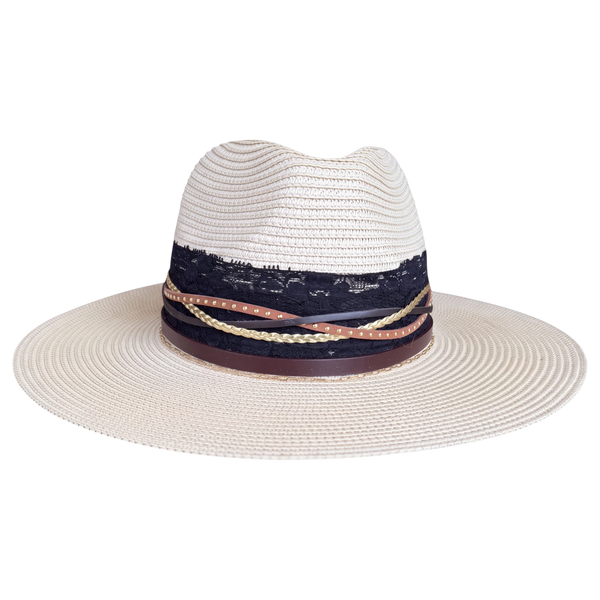
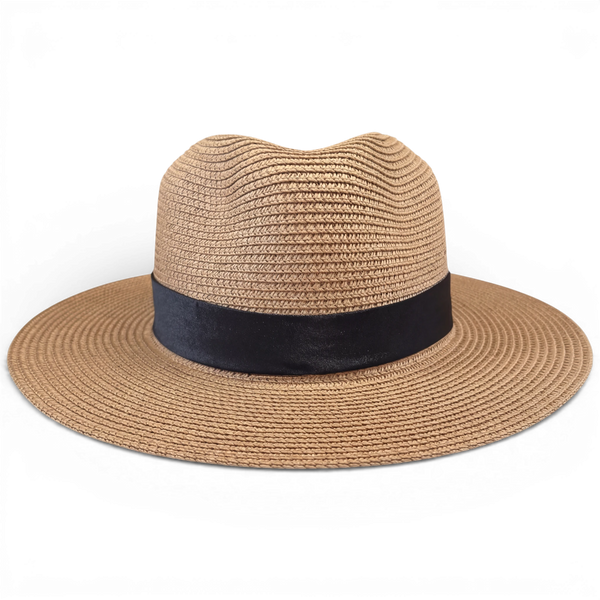
Silk-lined interiors create a smoother surface at those contact points, which is why they're particularly useful for both porosity types. The Soteria Classic fedora, for example, uses OEKO-TEX® certified mulberry silk throughout the inner crown. It’s a breathable, structured everyday option that sits gently against the hair regardless of your porosity level.
Open-Top Styles For High Porosity Hair
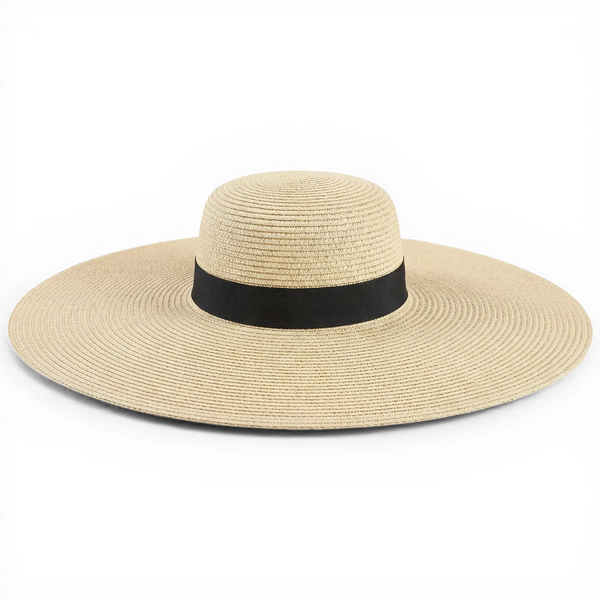
From there, open-top styles with a silk-lined band from Damazo's Halo collection, like the Eclipse and Eos, are worth looking into for high porosity hair in warm weather. Since the open crown lets heat escape rather than build up, these styles help keep your hair lifted. With no crown, there’s no crown pressure, which suits ponytails, buns, braids, and big curls that need space to breathe. To view the rest of our offerings, you can check out our All Headwear collection.

Final Thoughts
Hair porosity is one of the more useful things to understand about your own hair because it explains why certain products and habits work better than others. Low and high porosity hair have different moisture needs, but both benefit from reducing friction and protecting the cuticle during everyday wear. Overall, building a mindful routine and choosing hair-friendly accessories that account for your porosity level give your hair a better foundation, helping you maintain your style all day.
Frequently Asked Questions About Low vs. High Porosity Hair
How can I tell if my hair has low or high porosity?
One common method is the water test, where a clean strand of hair is placed in a glass of water. Hair that floats for a long time may have low porosity, while hair that sinks quickly may have high porosity. However, observing how your hair reacts to products and moisture often provides a more reliable indication.
Can hair porosity change over time?
Yes. Heat styling, chemical treatments, sun exposure, and environmental stress can alter the cuticle layer, causing hair porosity to increase over time.
Is low porosity hair healthier than high porosity hair?
Not necessarily. Hair porosity is a characteristic rather than a measure of hair health. Both low and high porosity hair can look and feel healthy when cared for properly.
Does hair porosity affect how often I should wash my hair?
Hair porosity can influence product buildup and moisture retention, which may impact your wash schedule. The ideal frequency depends on your hair type, scalp condition, and styling routine.
Can I have different porosity levels on different parts of my hair?
Yes. It is possible for the roots, mid-lengths, and ends to have different porosity levels, especially if parts of the hair have been exposed to more heat or chemical processing.
Does hair color affect porosity?
Hair coloring services can increase porosity because they alter the cuticle structure. Repeated coloring treatments may make hair more porous over time.
Why does high porosity hair become frizzy more easily?
The raised cuticles associated with high porosity hair allow moisture from the environment to enter and leave the strand more freely, which can contribute to frizz.