

Key Takeaways:
- Moisture Balance: Hydrated wavy hair is less likely to become dry, puffy, or difficult to manage throughout the day.
- Friction Reduction: Gentle fabrics, drying methods, and accessories can help preserve wave definition and minimize frizz.
- Regular Hair Habits: Small daily routines often make a bigger difference in maintaining smoother-looking waves over time.
Wavy hair can look soft and defined one day and puffy and unruly the next. Humidity, rough fabrics, heat styling, and dryness can all affect how waves behave throughout the day. While some frizz is normal and expected with textured hair, the right routine can help improve definition and overall manageability without overcomplicating your day. When you want a hat that works with your texture, browse our silk-lined hats for curly hair.
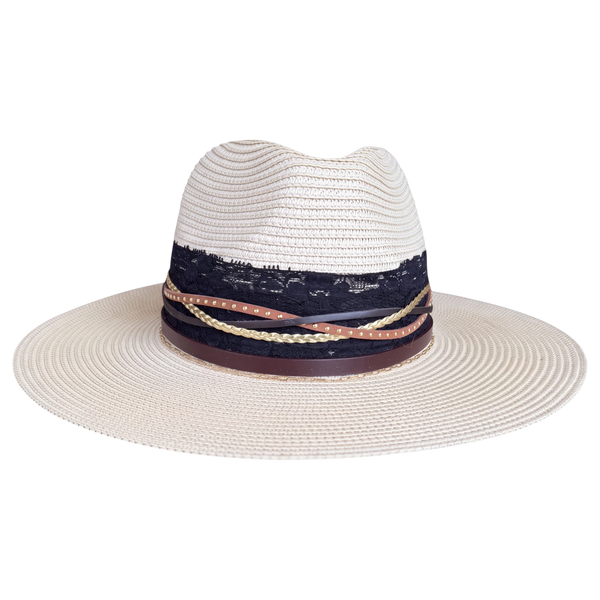
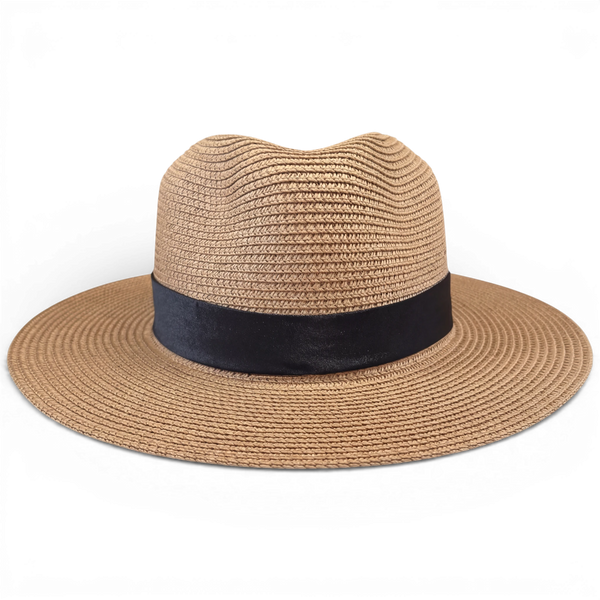
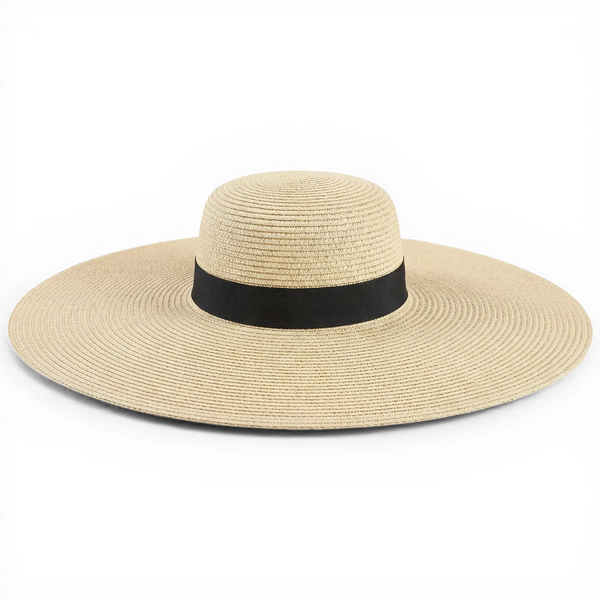
At Damazo, we make silk-lined hats with handcrafted details that work alongside your everyday style. Our signature silk-lined crown is designed to help reduce friction and frizz at key contact points and to be gentle on your hair’s natural moisture. Every hat is built on the belief that your hair is part of your story and you shouldn’t have to compromise style for comfort.
Below, we’ll discuss how to tame frizzy wavy hair, including ways to reduce frizz and keep your waves looking their best.
Frizz-Free Wavy Hair Starts With Moisture Balance
Getting to a place where your waves feel consistently smooth comes down to hydration more than anything else. Hair that lacks moisture tends to look puffy and rough, while products that are too heavy leave waves looking flat and weighed down.
Deep conditioning treatments used once a week may help improve elasticity and softness, especially for hair regularly exposed to heat styling, color, or environmental stress. Meanwhile, lightweight leave-in conditioners and creams can help lock in moisture day to day without making hair feel stiff. From there, reducing friction through fabric choices, drying methods, and the accessories you reach for supports everything else you're doing to keep your waves intact. Below, we’ll get into the details behind each of these methods.

How To Reduce Frizz In Wavy Hair With Better Wash Day Habits
Wash day sets the tone for how your waves will behave for the rest of the week. Thankfully, a few adjustments to how you cleanse and dry can make a meaningful difference.
Choose Gentle, Moisturizing Products
Wavy hair already struggles to distribute moisture evenly from root to tip, so using drying products tends to increase frizz. Instead, try using a sulfate-free shampoo paired with a nourishing conditioner to help maintain hydration without leaving buildup behind. Concentrating conditioner on the mid-lengths and ends can also help in the areas that tend to dry out first.
Handle Hair Gently After Washing
Hair is more vulnerable when wet, so rough drying methods can easily disrupt your wave pattern. Instead of rubbing with a traditional towel, gently squeeze out excess water using a microfiber towel or a soft cotton t-shirt. From there, applying a leave-in conditioner or lightweight styling cream while the hair is still damp can help seal in moisture and encourage smoother waves as your hair dries.
How To Dry Wavy Hair Naturally Without Frizz
Air drying protects wavy hair from heat damage, but technique still matters. The way you handle your hair during the drying process often determines how defined or wild the result ends up.
Let Waves Set Without Constant Touching
Touching your hair too often while it dries tends to separate wave clumps and create puffiness or unruliness. After applying your products, allow your hair to dry with minimal disruption. Gentle scrunching can encourage wave formation, but excessive handling usually creates more frizz than definition.
Dry Hair In Sections For Better Results
For thicker wavy hair, separating into sections while applying leave-in products can help distribute moisture more evenly. Some people find that loosely clipping sections near the roots while drying adds lift and helps waves form a more defined shape.

How To Control Frizz In Wavy Hair During Humid Weather
Humidity is one of the biggest challenges for wavy hair. When your hair lacks moisture, it tends to pull it from the surrounding air, which can contribute to a rough, messy texture or surface frizz where your strands stick up at the ends.
Use Lightweight Styling Products
Heavy products can flatten waves, while formulas with drying alcohols may leave hair feeling brittle. Lightweight mousses, creams, and gels specifically tailored to wavy or voluminous hair textures can create a barrier around the hair cuticle without making it feel crunchy or stiff. Applying products evenly and avoiding excessive layering usually helps waves dry with a more flattering shape.
Minimize Friction Throughout The Day
Friction from hats, pillowcases, and scratchy fabrics can all disturb the hair cuticle and increase frizz over time. All headwear at Damazo, from our sun hats for warm days at the beach to our fedoras for a more elevated look, is designed to help lessen that rubbing throughout the day. Every hat features silk lining where it touches your hair, designed to help reduce friction and frizz. Styles also offer a deeper crown to give waves room to breathe, and thoughtful details like ponytail openings or open-top constructions for versatile styling. It’s a hair-conscious alternative to traditional hats, designed to help keep your waves looking smoother while you wear it. For more on how friction affects your hair around the clock, our guide on how to sleep with wavy hair covers the overnight side of things.
Frizzy Wavy Hair Tips For Daily Maintenance
Keeping waves smooth often comes down to easy, repeatable habits rather than overhauling your whole routine at once. If you’re looking for a quick overview, here are our top seven pieces of advice:
- Sleep On Silk Or Satin: Sleep on silk or satin fabrics to reduce friction overnight and give your waves a better chance of holding their shape until morning.
- Invest In A Wide-Tooth Comb: Use a wide-tooth comb on damp hair instead of brushing when dry, which can separate the wave pattern and create unnecessary puffiness.
- Skip Daily Washing: Avoid washing daily to help preserve your hair's natural oils, which play a role in keeping waves soft and hydrated between wash days.
- Get Regular Trims: Trim split ends regularly to prevent rough, uneven texture that can make waves look drier than they actually are.
- Limit Heat Tools: Try to steer clear of high-heat styling tools whenever possible, as repeated heat exposure can weaken the hair cuticle and make waves more prone to frizz over time.
- Scrunch, Don't Rub: Squeeze out excess water gently instead of rubbing aggressively with a towel, which disrupts the wave pattern before it even has a chance to set.
- Adjust Products Seasonally: Switch to richer conditioners in colder months and lighter creams when it's warm and humid to help your hair stay balanced year-round.

Final Thoughts
Managing frizzy, wavy hair comes down to consistency, moisture, and reducing friction wherever you can. Small, easy changes, from how you dry your hair to the fabrics and accessories you use throughout the day, can help waves stay softer and more defined over time. With the right habits in place, wavy hair can maintain its normal texture and feel easier to manage in any season.
Frequently Asked Questions About How To Tame Frizzy Wavy Hair
Can hard water make wavy hair more frizzy?
Potentially, yes. Hard water contains minerals that can build up on the hair over time, leaving your waves drier and harder to manage. If you’d rather not invest in a water softening system, an occasional clarifying shampoo may help.
Is frizz a sign of damaged wavy hair?
Not always. Frizz can occur naturally with wavy hair, especially in humid conditions. Excessive dryness, split ends, and frequent heat styling may increase it, but some frizz is just part of the texture.
Should wavy hair be brushed every day?
Daily brushing might disrupt natural wave patterns. Most people with wavy hair find it easier to detangle gently with their fingers while their hair is damp rather than brushing aggressively when dry.
Why does wavy hair sometimes look frizzier after air drying?
This often happens when hair is handled too much before it fully dries, or when styling products aren't evenly distributed throughout the hair.
Can sleeping habits affect frizz?
Yes. Moving against rough fabrics overnight creates friction that can lead to tangles and frizz by morning. Softer materials like silk might help minimize that effect.
How long does it take to see improvement in frizzy wavy hair?
Results vary, but many people notice a difference in softness and manageability after a few weeks of more consistent, gentler habits and better-suited products.